How Hurricane Dorian changed disaster reporting
A School of Communication study revealed that journalists who covered the 2019 tropical cyclone adapted their practices to help save lives during the storm and advocate for the marginalized in its aftermath.

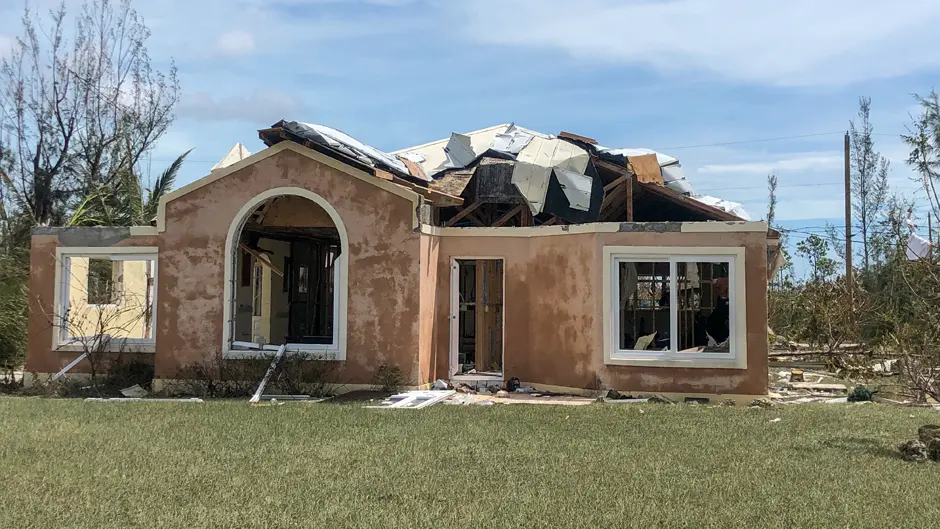
The aftermath of Hurricane Dorian left thousands of people homeless in the Bahamas.
By Barbara Gutierrez
6-10-2026
This story originally appeared in News@TheU
WHurricane Dorian slammed into the Bahamas on Sept. 1, 2019, its Category 5 winds devastated two islands over three days, destroyed infrastructure, left thousands missing or homeless, and caused more than 70 recorded deaths.
Bahamian-born Kyle Walkine was covering the storm at the time for The Nassau Guardian/Our News. Although he had reported on hurricanes before, Dorian was unlike anything he had experienced.
“The way this storm moved and intensified so quickly, it turned into something that we never expected,” he said.
Many journalists covering the storm witnessed events they said they were unprepared to confront, Walkine said, experiences that reshaped how they understood their work and responsibilities.
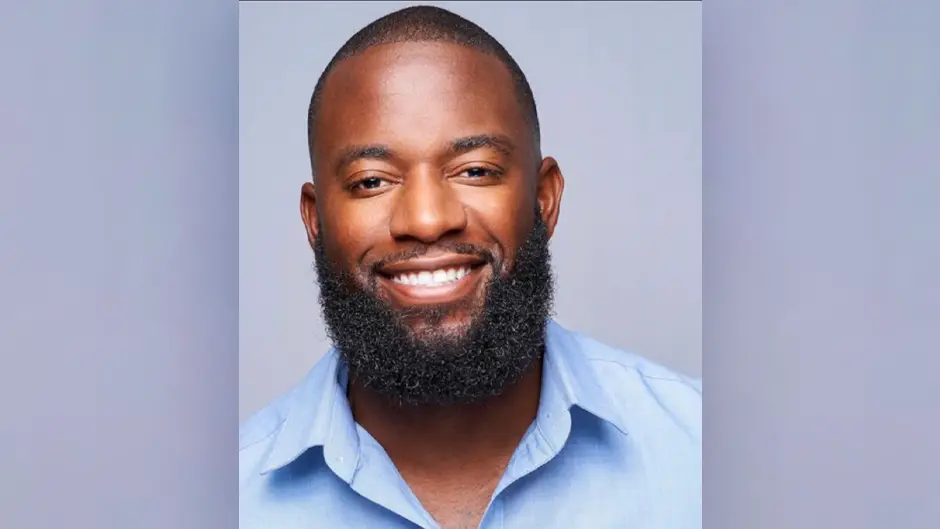
Walkine, an instructor at the University of Miami School of Communication and a 2026 Ph.D. graduate, partnered with Sallie Hughes, professor and chair of the Department of Journalism and Media Management, to study how covering the hurricane influenced journalists’ understanding and performance of their professional roles.
Their study, “Professional role negotiation after traumatic events: Bahamian journalists’ constructions of duties to others and themselves after Hurricane Dorian,” was published in the peer-reviewed academic journal Journalism: Theory, Practice, and Criticism.
The article examines how 11 Bahamian journalists in the hardest-hit areas balanced their responsibility to report the news with the realities of trauma, danger, and human suffering. It finds that many adapted their practices in the moment—sometimes prioritizing saving lives—and became more reflective about how to report on people experiencing trauma.
“Studies like this help identify how journalists are adapting to protect themselves and use trauma-sensitive reporting practices as they fulfill a public service mission during potential disasters such as powerful hurricanes,” Hughes said. “They also show that journalists—like other responders—need preparation but often do not receive it.”
A major finding is that journalism during disasters extends beyond traditional reporting. Witnessing widespread devastation prompted several participants to change how they worked during the storm and to rethink how they approach stories involving human suffering afterward.
A reporter on Grand Bahama described how she shifted from routine reporting to coordinating help for her community in real time through social media. Using Facebook Live, she collected messages from stranded residents and relayed them to national defense units conducting rescues.
“We ended up becoming a help center,” she said. “At that point, we were all in survival mode. More than journalists, we just wanted to save lives. That was our home.”
A television reporter on Great Abaco island reflected later:
“I’m more sensitive to the facts of the situation … these are real people, not objects of a story. Now I understand they are human beings going through real situations.”
Another journalist on Great Abaco said she now considers the dignity of those involved when deciding what to report. Without formal training in trauma-informed reporting, she said she nevertheless chose to reject suffering as a news value. She stated:
“I realized that sometimes you can be in a moment and not report it if it crosses ethical or moral lines … I saw things in Abaco that I decided not to report out of respect for people in their circumstances.”
The disaster took a significant mental health toll, with some journalists experiencing lasting effects. One journalist described finally releasing the emotional strain after returning to his family home in Nassau. This journalist stated:
“They knew what I was dealing with, and they just closed the door and left me for about an hour to cry. I screamed, I shouted, because I don’t even think I ate that entire time … That was my therapy.”
The impact was intensified because many were covering a storm that was destroying their own communities, leaving them worried about family and friends.
“One young woman was asked to go live before she had any information about her mother, who was in a high-risk area,” Walkine said. “She did it, but it was an extremely difficult moment for her.”
At the same time, the crisis led many journalists to rethink and strengthen their professional practices.
Walkine and Hughes hope the study raises awareness of the limited mental health support available to journalists working in crisis situations. Participants described inadequate preparation, dangerous working conditions, and, with a few exceptions, little organizational support after the storm.
The authors argue that journalism schools and media organizations should place greater emphasis on trauma awareness, self-care, and psychological support for reporters covering disasters.
Walkine, who taught Environmental Reporting this spring, emphasized the need for training before journalists are sent into climate disasters. As a native of the Bahamas, he plans to use his research to develop workshops that prepare Caribbean journalists to cover complex scientific issues while also safeguarding their physical and emotional well-being during and after assignments.
“We need to prepare journalists not just to tell these stories, but to take care of themselves while doing this work,” said Walkine.