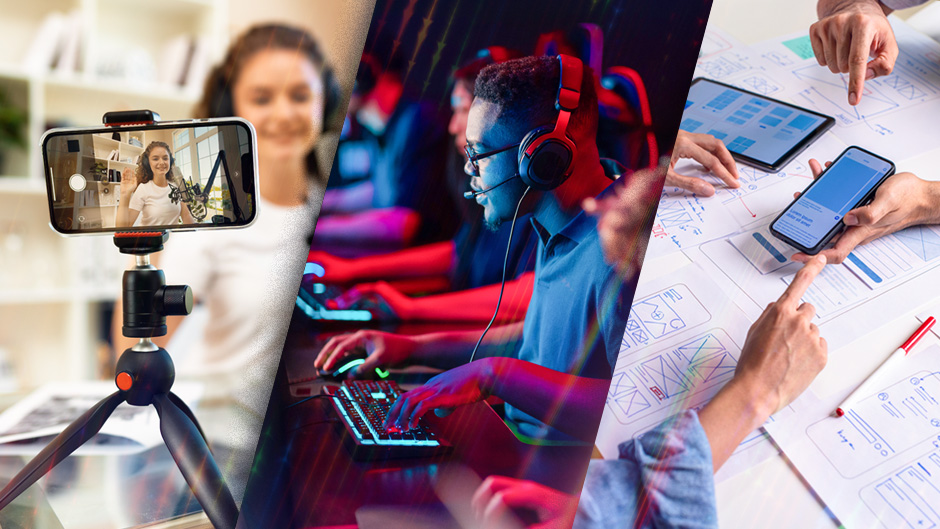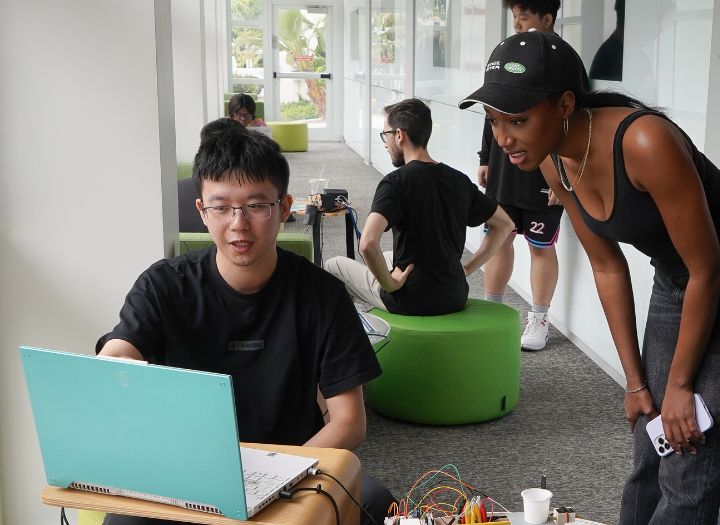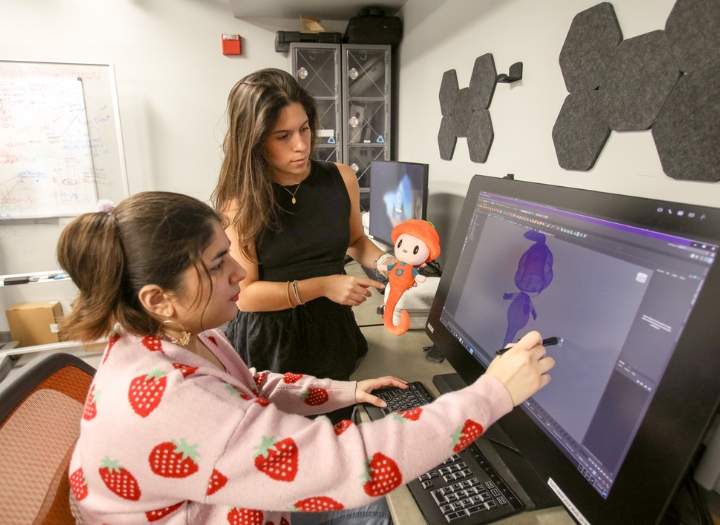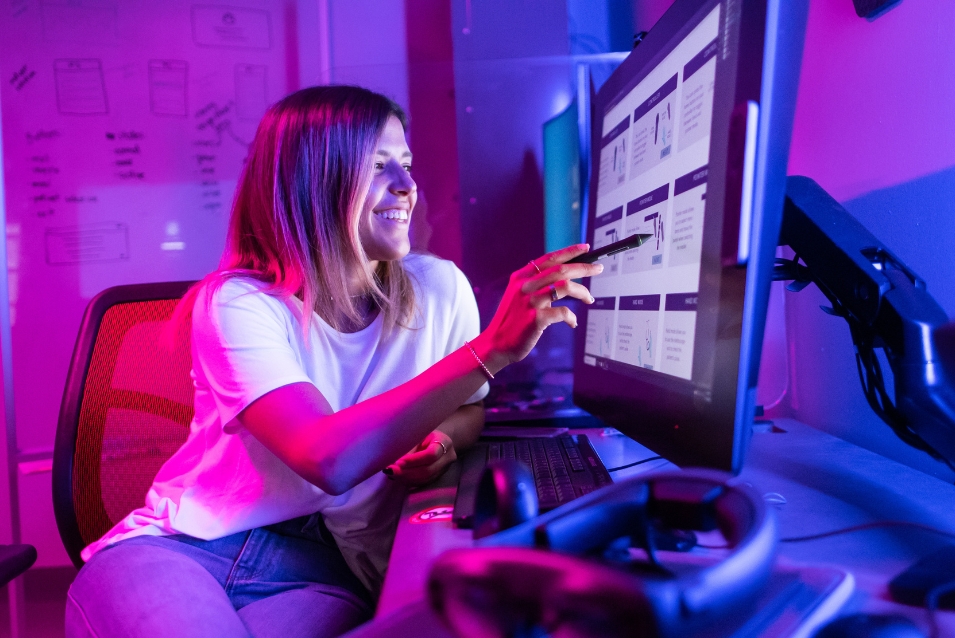
The M.S. in Experience and Information Design (XiD) at the University of Miami prepares designers to tackle complex challenges in our rapidly evolving digital landscape. Through a comprehensive curriculum blending user research, data visualization, design thinking, and emerging technologies, students develop deep expertise in creating impactful, human-centered solutions. The program balances design psychology with technical implementation and analytical rigor, empowering graduates to lead in product design, research, and strategic innovation.
Faculty Backgrounds
Our faculty bring expertise from diverse fields, including communication, design, computer science, engineering, and business.
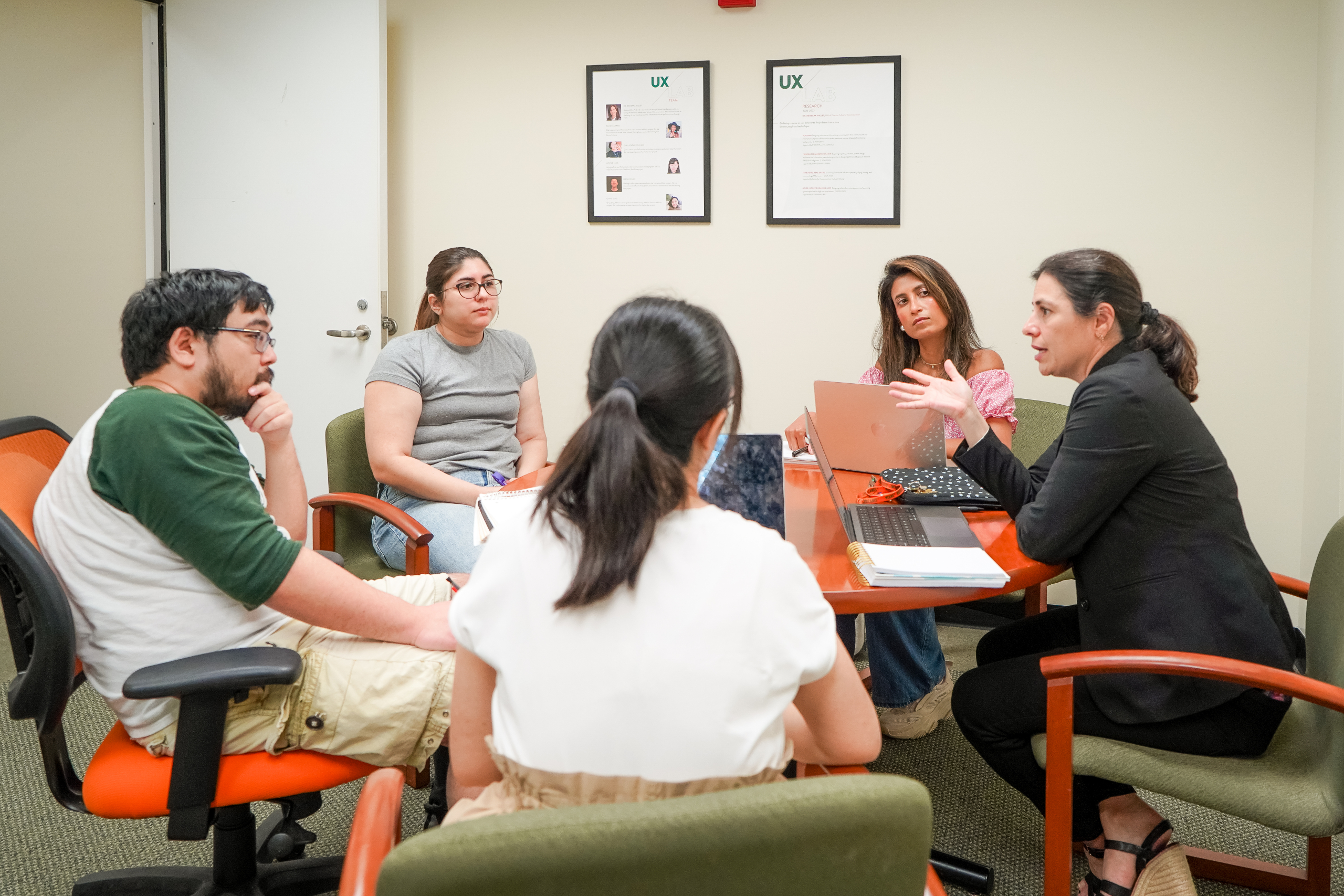
User Research & Solutions
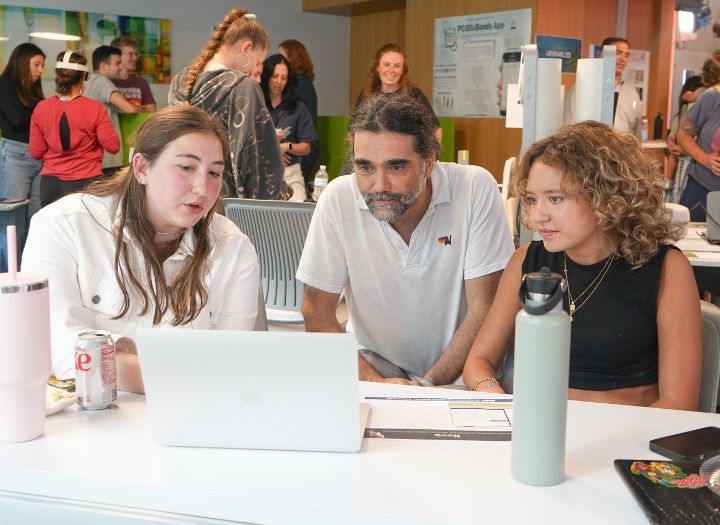
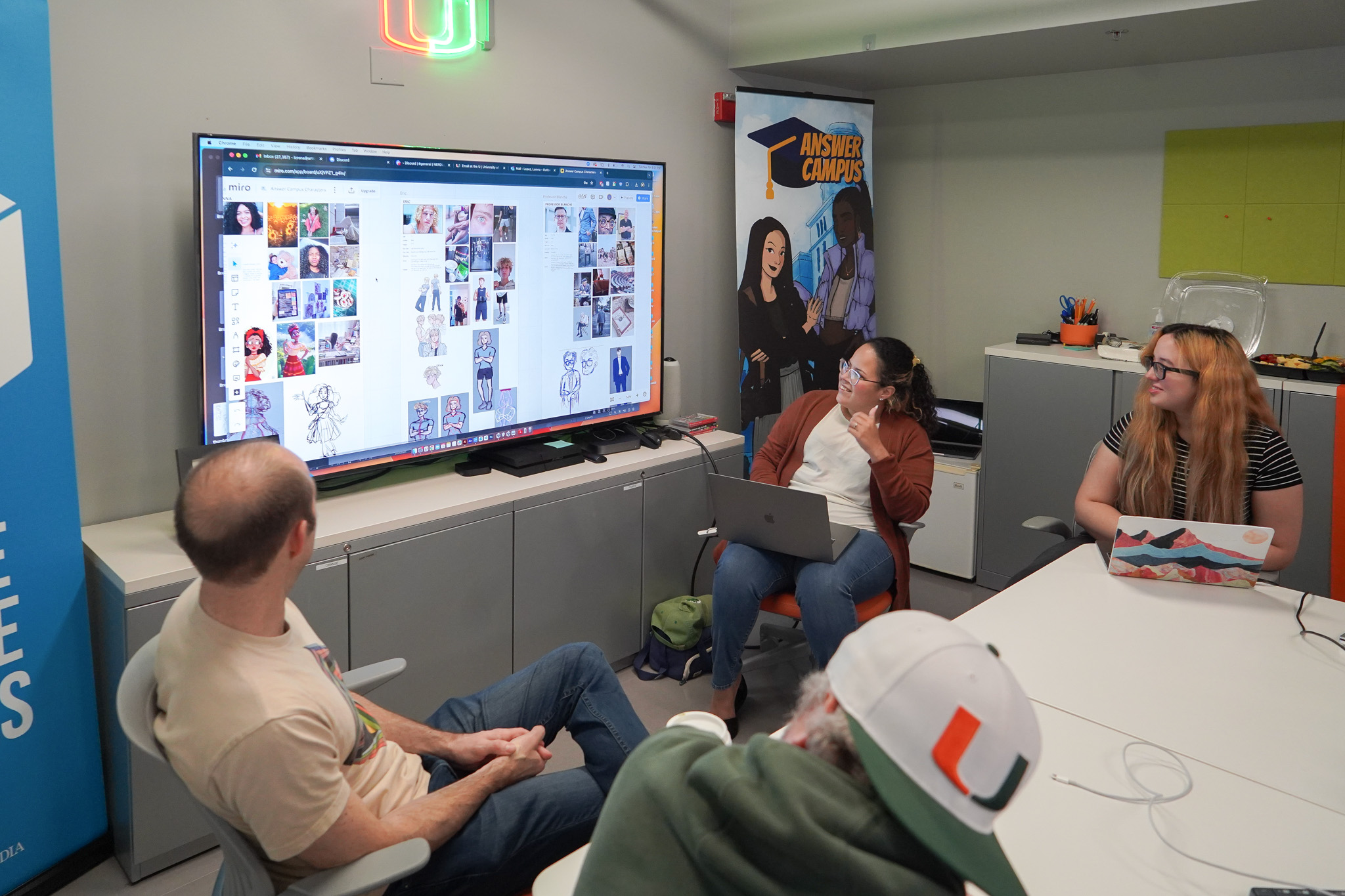
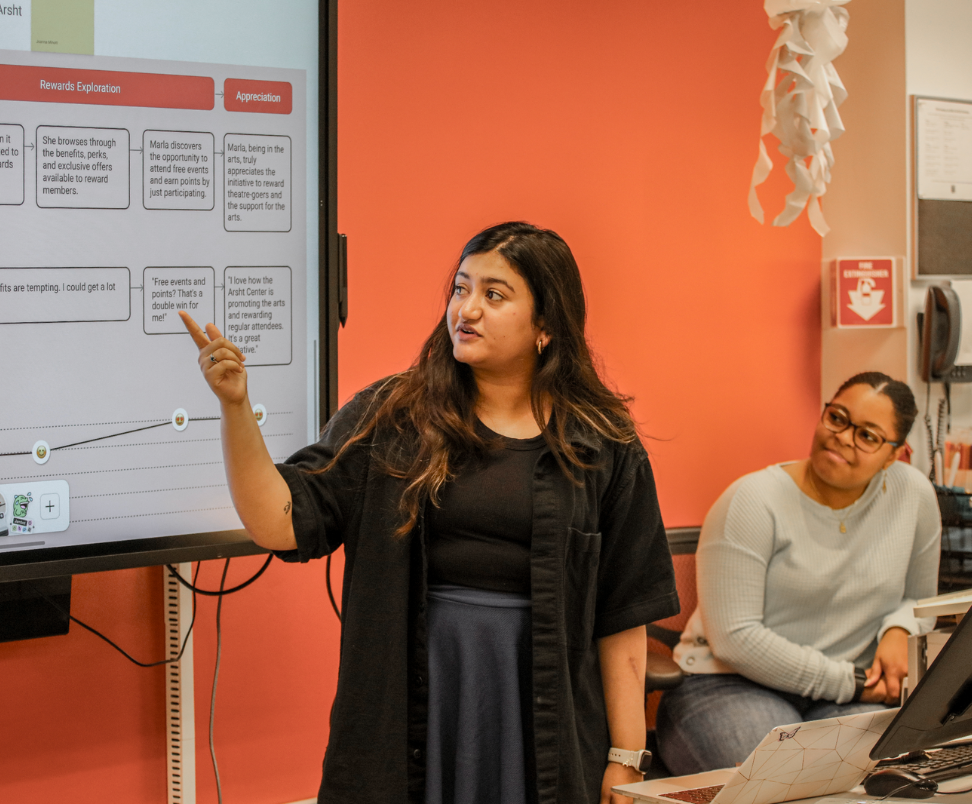
Learn to conduct user research, analyze data, and design user-centered experiences.
Labs & Studios
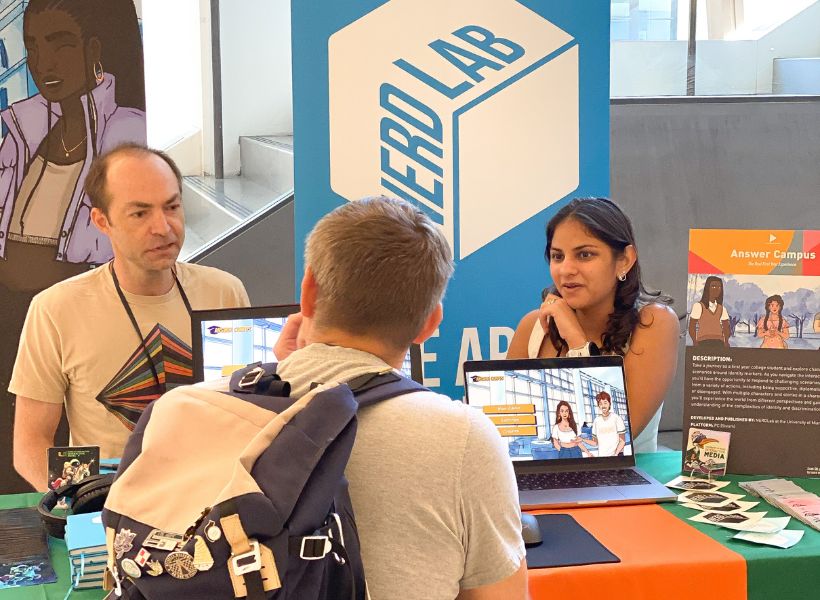
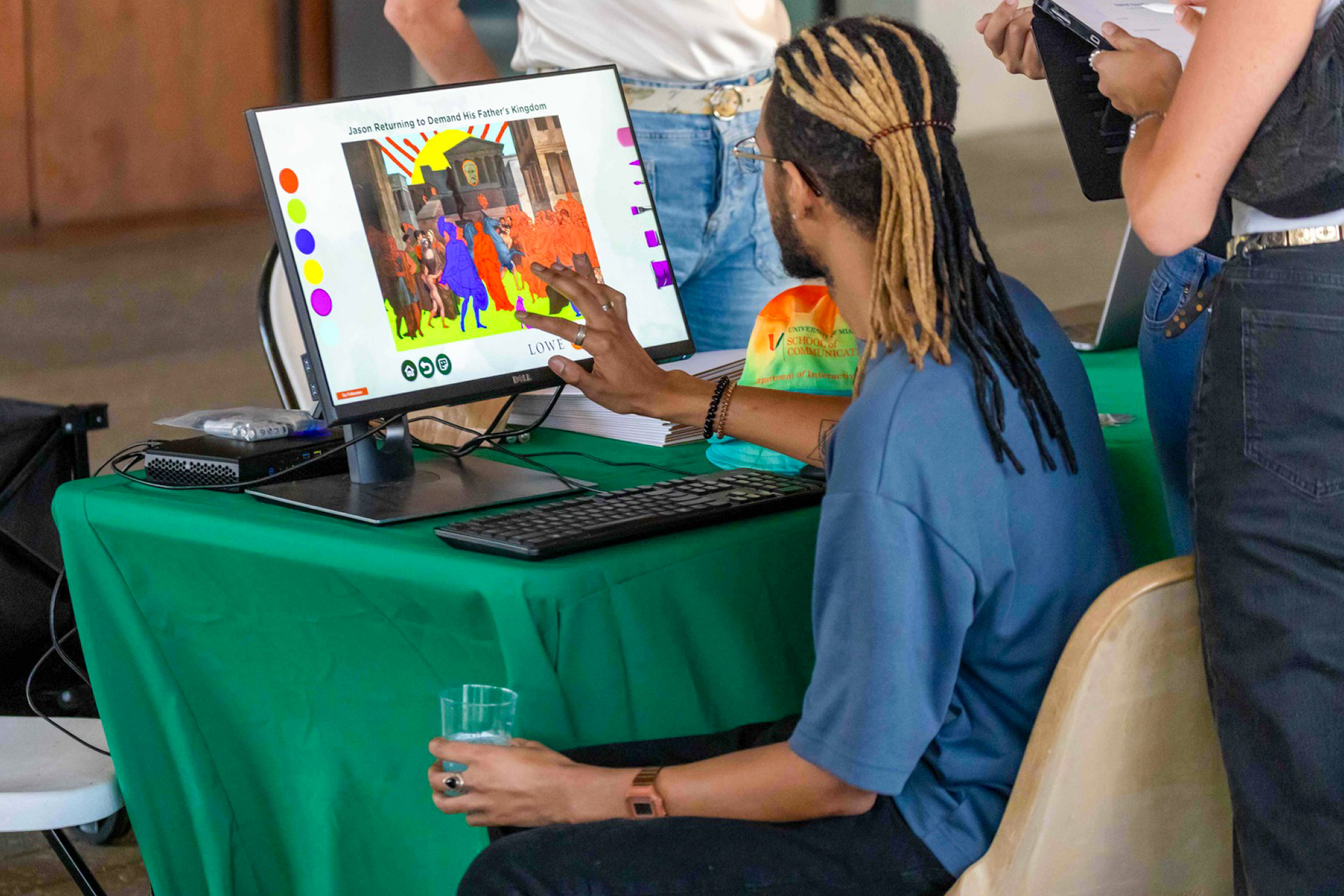
Design and develop innovative user experiences using our state-of-the-art labs and studios
Why XiD at Miami?
Accelerated Expertise
Transform into a design leader in just 3 semesters through intensive, project-based learning that balances theory with hands-on application
Portfolio-Powered Career
Graduate with a comprehensive portfolio of real-world projects that demonstrate your mastery of user research, data visualization, and experience design to employers
Research-Industry Bridge
Learn from faculty who are actively advancing the field through academic research and industry practice while solving real design challenges for major organizations
Cross-Functional Fluency
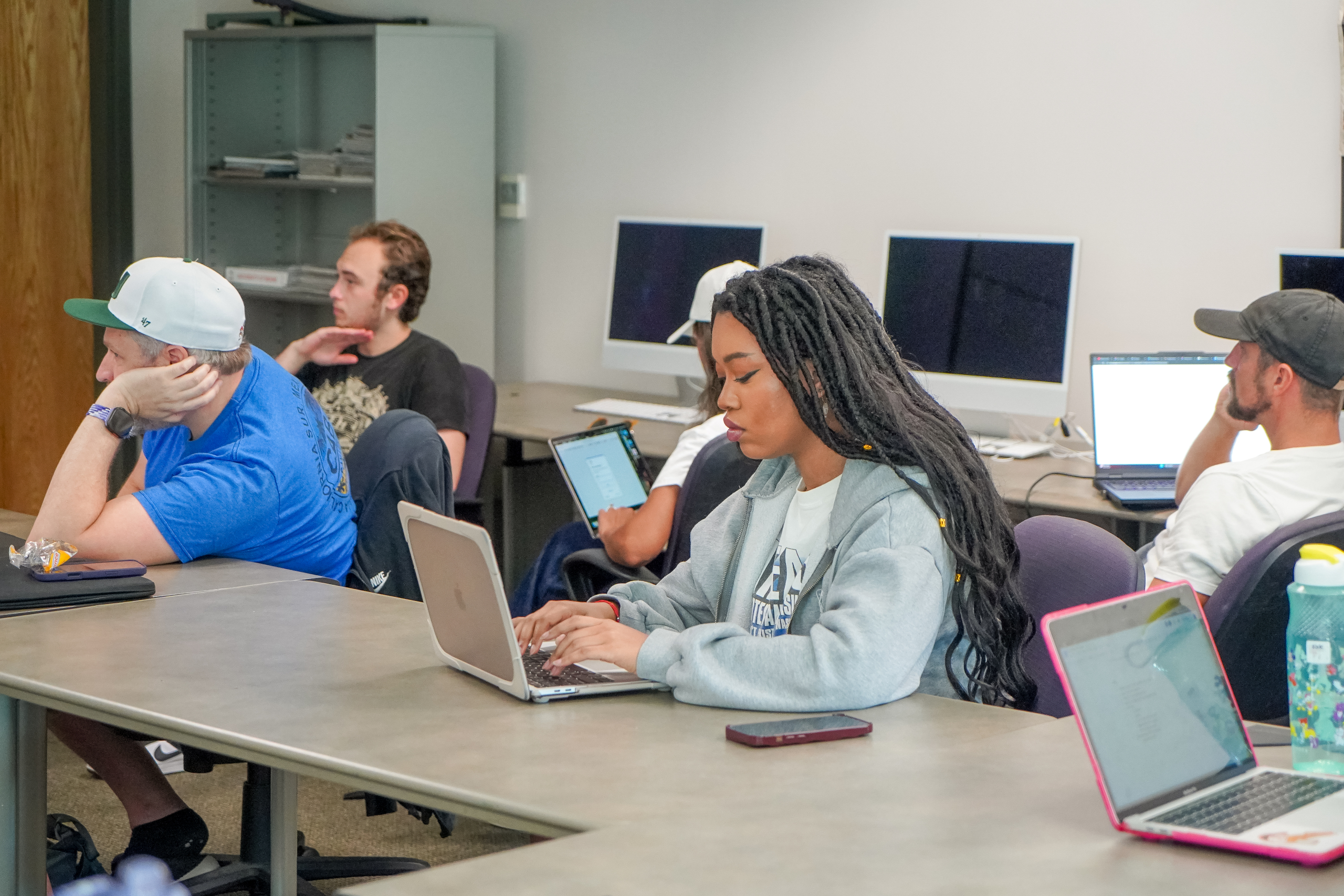
Collaborate with cohort members from diverse backgrounds, developing the communication and leadership skills essential for senior roles
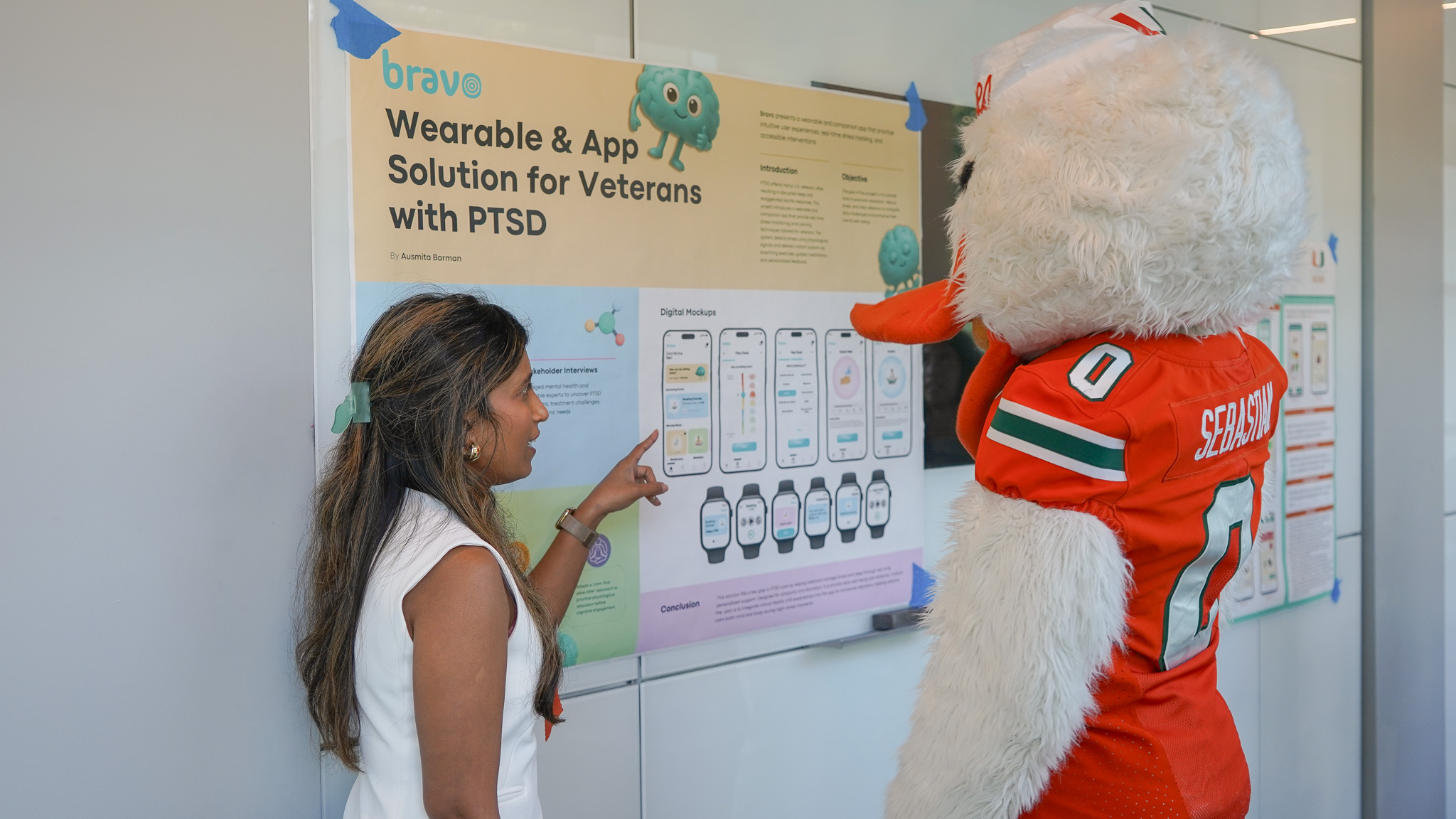
At-a-Glance
Academic Program & Graduate Success
Core Knowledge Areas
The M.S. in XiD curriculum develops expertise across interconnected domains:
Design Thinking & Strategy
User Experience Research
Information Architecture
Human-Computer Interaction
Data Visualization
Interaction Design
Visual Communication
Emerging Technologies
Graduate Capabilities
Our graduates drive innovation in organizations by combining rigorous research methods with creative problem-solving, ensuring that human-centered design principles guide digital transformation initiatives. Upon completion, graduates demonstrate the ability to:
Career Destinations
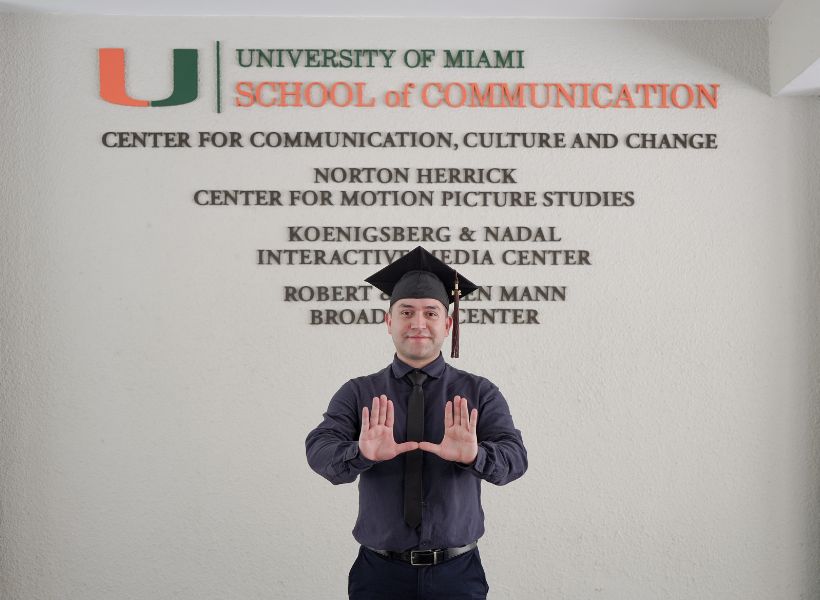
Graduates join leading organizations across sectors as:
Technology
Healthcare & MedTech
Financial Services
Media & Publishing
E-Commerce
Government
Consulting
Non-Profit
And find fulfilling roles including:
UX Designer
Product Designer
UX Researcher
Information Architect
Data Visualization Specialist
Design Strategist
Interaction Designer
User Experience Manager
Where are Interactive Media department graduates now?
Our graduates make waves at the top companies in the world.
Are you prepared to join them?












Research & Scholarship
Our faculty lead interdisciplinary research funded by NOAA, Knight Foundation, Wolfson Foundation, State of Florida, NSF, The Children’s Trust of Florida, and leading industry partners, advancing knowledge in AI/ML, immersive technologies, and human-centered design. Projects combine technical innovation with storytelling, data, and real-world application.
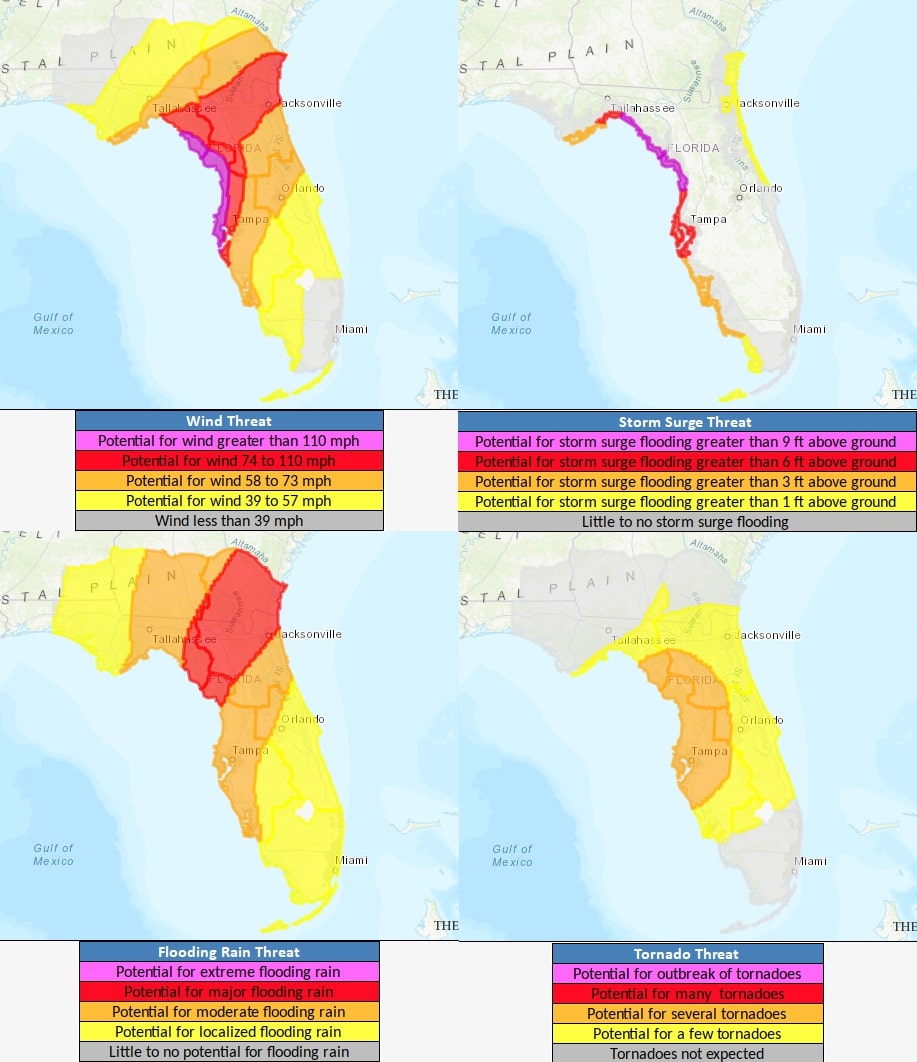
Dynamic Communication of Weather Risk: A User-Centered Design Approach
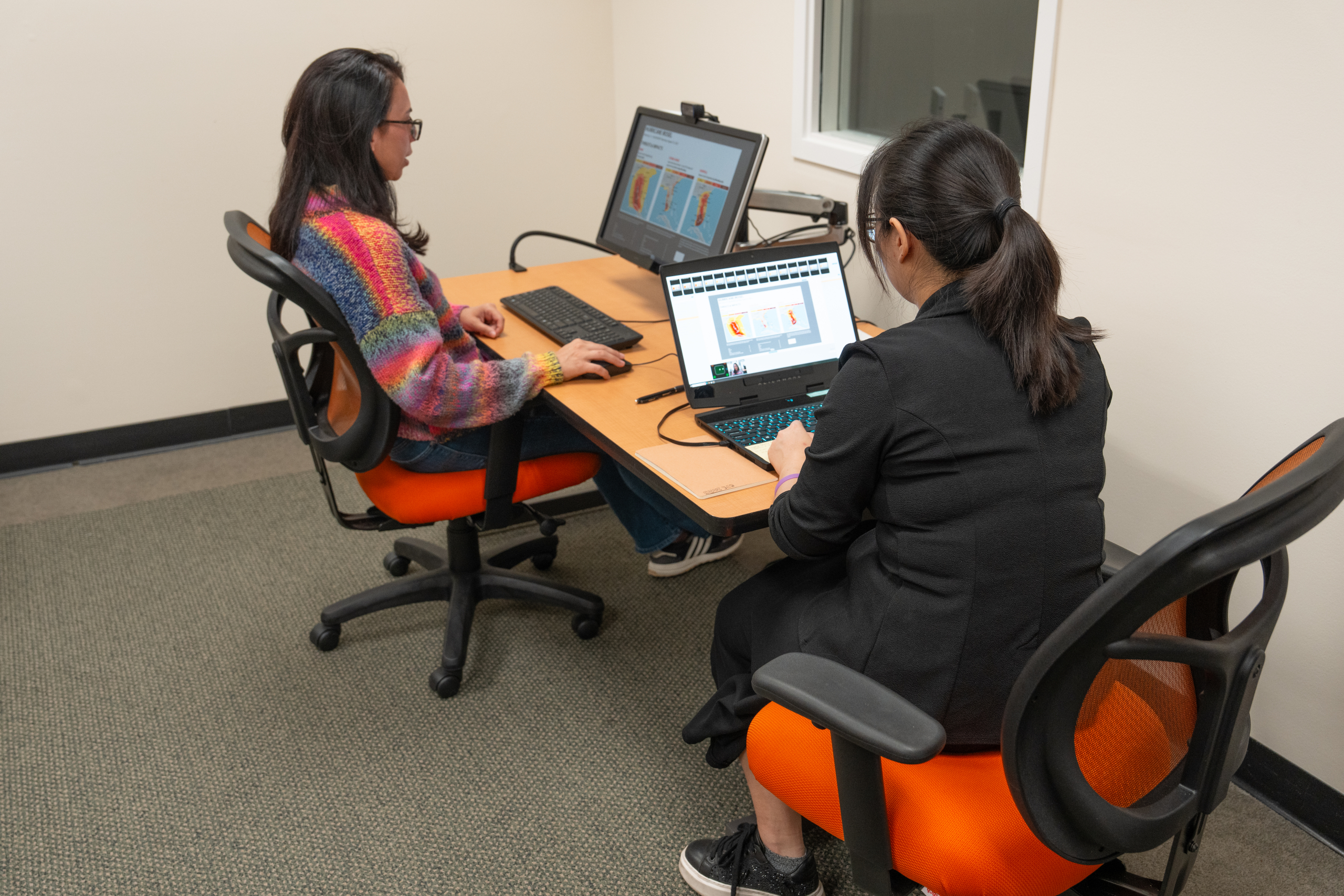
UM researchers are redesigning weather forecast graphics with NOAA and NCAR to improve public understanding of risk and uncertainty.

Barbara Millet
Associate Professor of Interactive Media
Alberto Cairo
Professor of Interactive Media
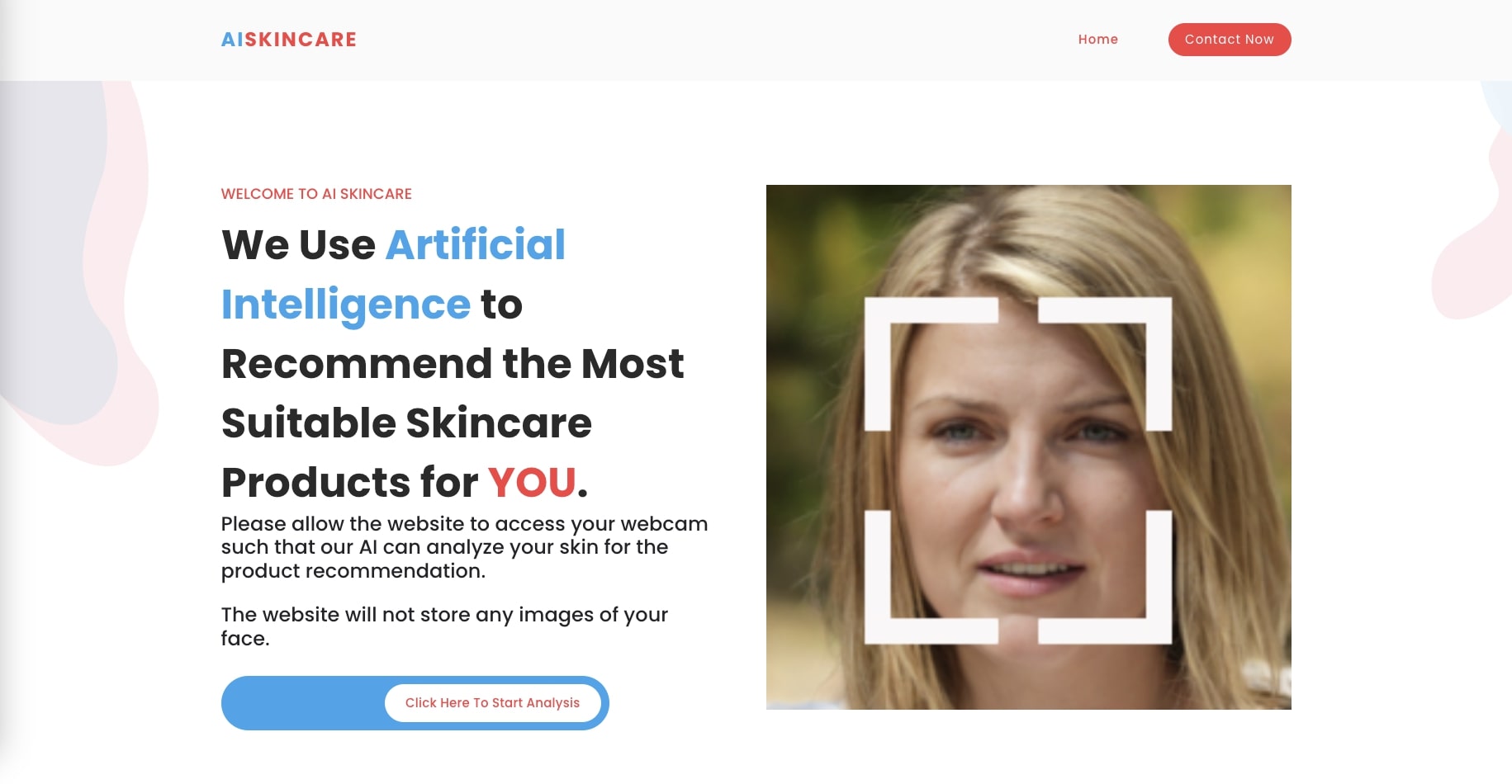
Explainable Artificial Intelligence (XAI): Two Experiments from Imposed Users’ Perspective
This study explores how “explanation by example” in Explainable AI can help users recognize algorithmic bias, especially among those with prior discrimination experiences.

Ching-Hua Chuan
Assistant Professor of Interactive Media
Faculty Spotlight
Lorena Lopez, Lecturer & M.F.A. Program Director, Interactive Media
Professor Lopez directs the MFA in Interactive Media program and specializes in interaction and immersive experience design, focusing on digital and physical interactions that transform educational spaces and museums. She holds a BFA from Carnegie Mellon University's School of Art and an MFA from the University of Miami's Interactive Media program.

Alberto Cairo, Professor, Knight Chair in Visual Journalism

Anna Queiroz, Associate Professor, Interactive Media
Dr. Queiroz leads groundbreaking Virtual Reality research in education and climate communication. She holds a Ph.D. in Cognitive Psychology and completed her postdoc at Stanford's Graduate School of Education.
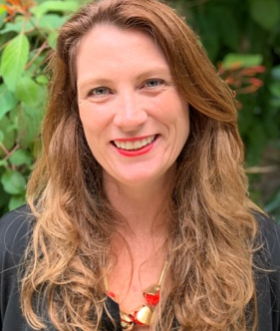
Sanne Martens, Assistant Professor of Professional Practice, Interactive Media
Professor Martens combines her passion for understanding human behavior with design and technology to create innovative UX design solutions. She holds a Masters in Industrial Design Engineering from Delft University

Barbara Millet, Associate Professor & M.S. XiD Program Director, Interactive Media
Dr. Millet directs the MS in Experience and Information Design program and leads the University of Miami User Experience (UMUX) Lab, focusing on human-computer interaction and risk communication design. She holds a PhD in Industrial Engineering from the University of Miami.
Labs and Studios
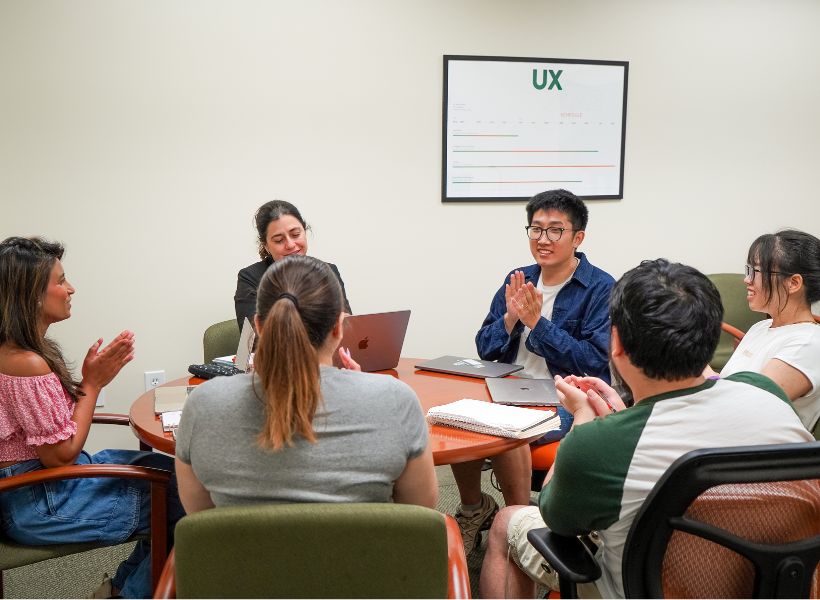
User Experience Lab
Human-Centered Research + Usability Testing
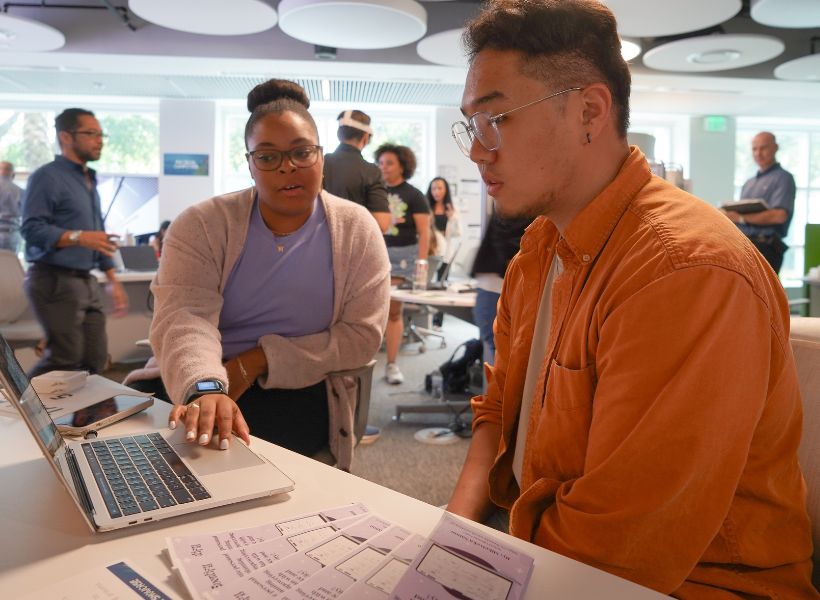
Equipped with eye-tracking, usability testing, and ethnographic research tools, the UX Lab helps students and clients alike design better interfaces for healthcare, mobile apps, games, and beyond. Projects have informed products for UHealth and major cultural institutions.
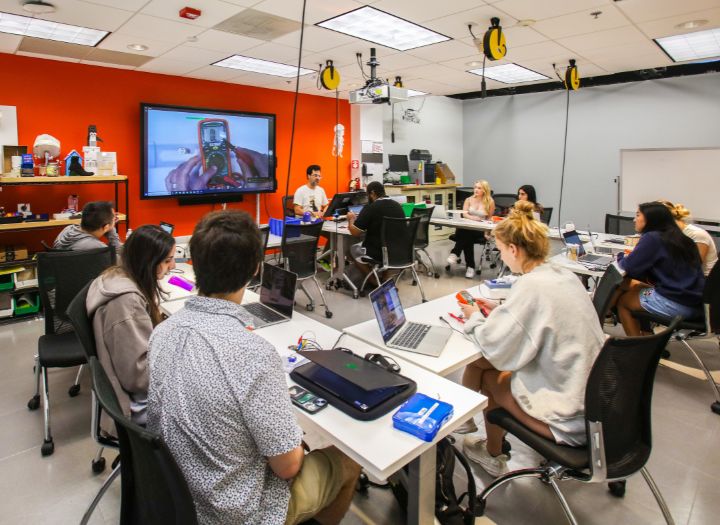
Emerging Media Lab
Prototyping + Fabrication
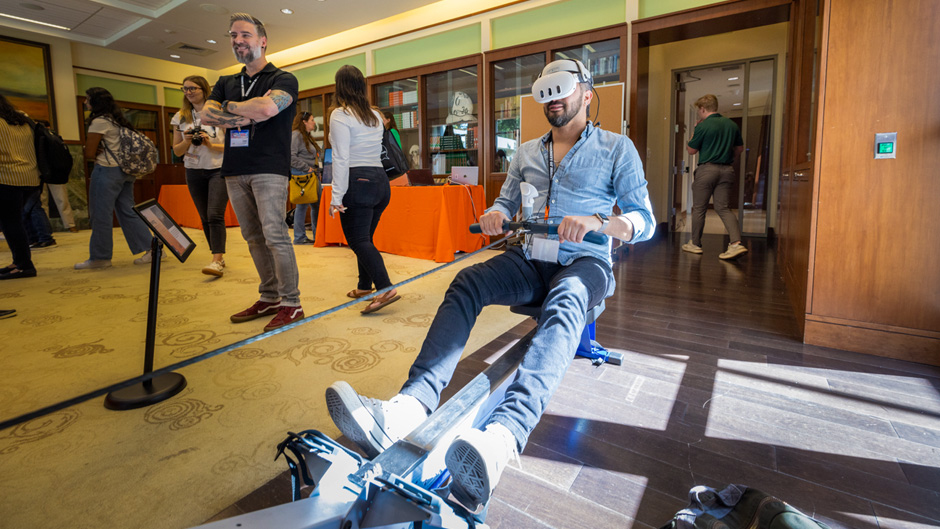
A sandbox for rapid prototyping in AR/VR, physical computing, and installations. Students have hands-on access to fabrication tools, sensors, and the latest digital technologies—turning ideas into functional prototypes from day one.
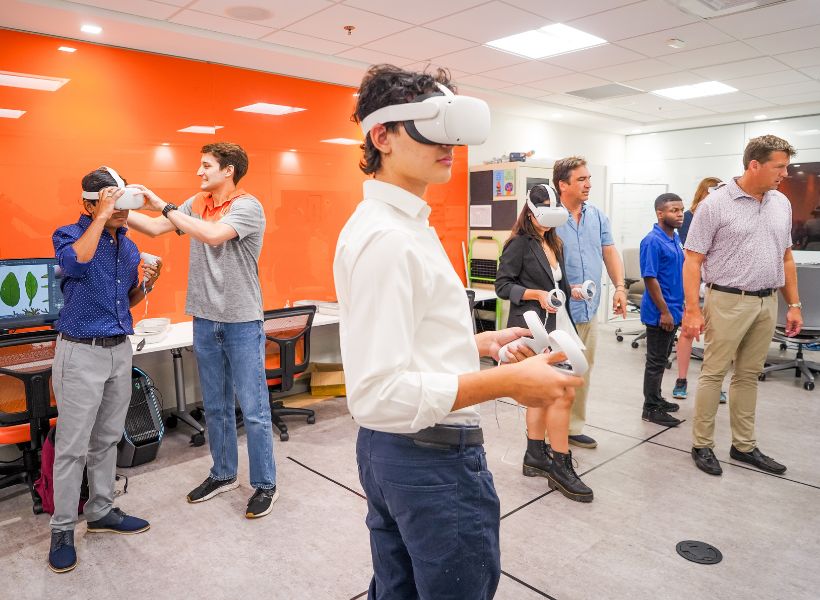
Virtual Experience Simulation Lab (VESL)
XR Development
Central to UMVerse initiatives, VESL provides interdisciplinary teams with the tools to prototype and test XR projects. Faculty and students collaborate with partners like Bascom Palmer, RSMAS, the Miller School of Medicine to create immersive simulations with real-world impact.

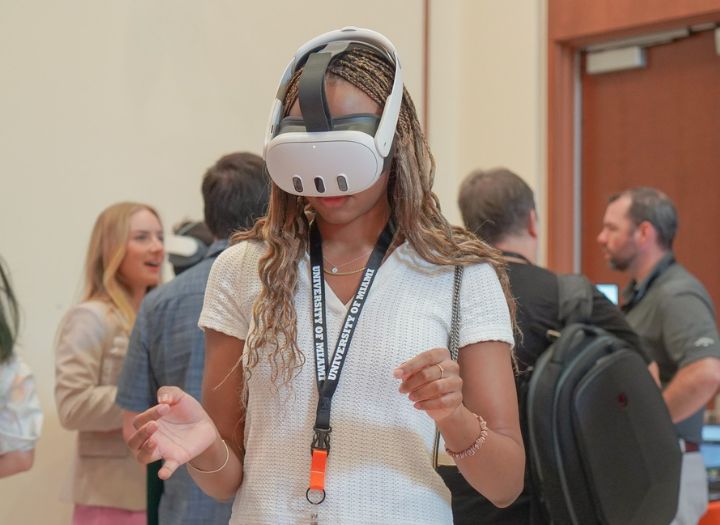
Future Realities Research Lab
Advancing the Future of Digital Realities
This lab explores the real-world potential of XR, multisensory experiences, and trustworthy AI. Research spans environmental education, family interventions, behavior activation, and workforce development—combining emerging technologies with human-centered impact.
Admission FAQs
Latest News