

This paper examines the economic structure that defines American reality television and argues that participant exploitation is built into the genre’s design. Through a review [...]

The Evolution of Sports Athletes as Brands in the United States
Justin Parrondo2026-05-26T13:47:53-04:00This research paper focuses on the evolution and history of sports marketing and the branding of athletes who are building successful media empires based on [...]

Media Management Association Awards 2026
Justin Parrondo2026-05-26T13:48:06-04:00About Since 2016, the Media Management Association (MMA) Awards have recognized outstanding undergraduate and graduate student works (i.e., major student papers and projects, including creative [...]

Telling Overtown Stories, Saying Their Names
Abbie Bernet2026-02-13T12:41:21-05:00This immersive virtual exhibit reimagines three murals honoring Overtown’s Black history through interactive storytelling and virtual reality. Created by graduate students in the Department of Interactive Media in partnership with Miami Museum of Contemporary Art of the African Diaspora(Miami MoCAAD), the project transforms site-specific public art into an accessible digital experience that preserves and amplifies community narratives. Through VR, users can explore each mural as a portal into Overtown’s cultural legacy, learning about the people, stories, and history behind the artwork. The project bridges art, technology, and education, supporting Miami MoCADD mission to engage audiences through innovative platforms while providing students with hands-on experience in collaborative, community-centered design.

When Humor Appeals Fail and When They Succeed
Abbie Bernet2026-01-26T15:12:40-05:00When Humor Appeals Fail and When They Succeed: Using Latent Profile Analysis to Identify Audience Receptivity to Humorous Messages Faculty Lead: Nick Carcioppolo [...]
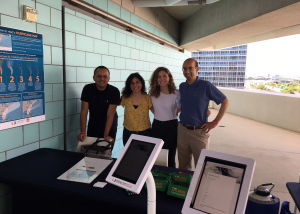
Dynamic Communication of Weather Risk: A User-Centered Design Approach
Abbie Bernet2026-01-26T15:13:18-05:00Dynamic Communication of Weather Risk: A User-Centered Design Approach Faculty Leads: Barbara Millet, Alberto Cairo, Scotney Evans, Sharanya Majumdar, and Brian McNoldy Read the [...]

The Transformation of Broadcast News: Examining the Impact of Artificial Intelligence on the News Media Industry
Justin Parrondo2025-06-24T11:30:41-04:00This research explores the transformative role of artificial intelligence (AI) in broadcast news, examining how it reshapes production, distribution, and audience engagement amid declining traditional [...]

Social Media Privacy: The Risks, Responsibilities, and Regulations
Justin Parrondo2025-06-24T11:32:31-04:00This paper investigates the privacy risks social media users face, the responsibilities of the platforms, and the regulations surrounding these services. In addition, it discusses [...]
Media Management Association Awards 2025
Justin Parrondo2025-06-24T14:47:17-04:00About Since 2016, the Media Management Association (MMA) Awards have recognized outstanding undergraduate and graduate student works (i.e., major student papers and projects, including creative [...]

Empowering Local Comadronas in Indigenous Guatemala: A Tool for Sexual and Reproductive Health
Abbie Bernet2025-05-01T10:07:26-04:00Empowering Local Comadronas in Indigenous Guatemala: A Tool for Sexual and Reproductive Health Faculty Lead: Victoria Orrego Dunleavy Read the Article [...]
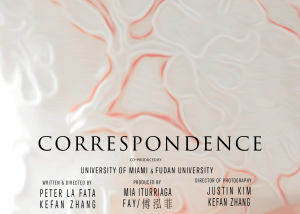









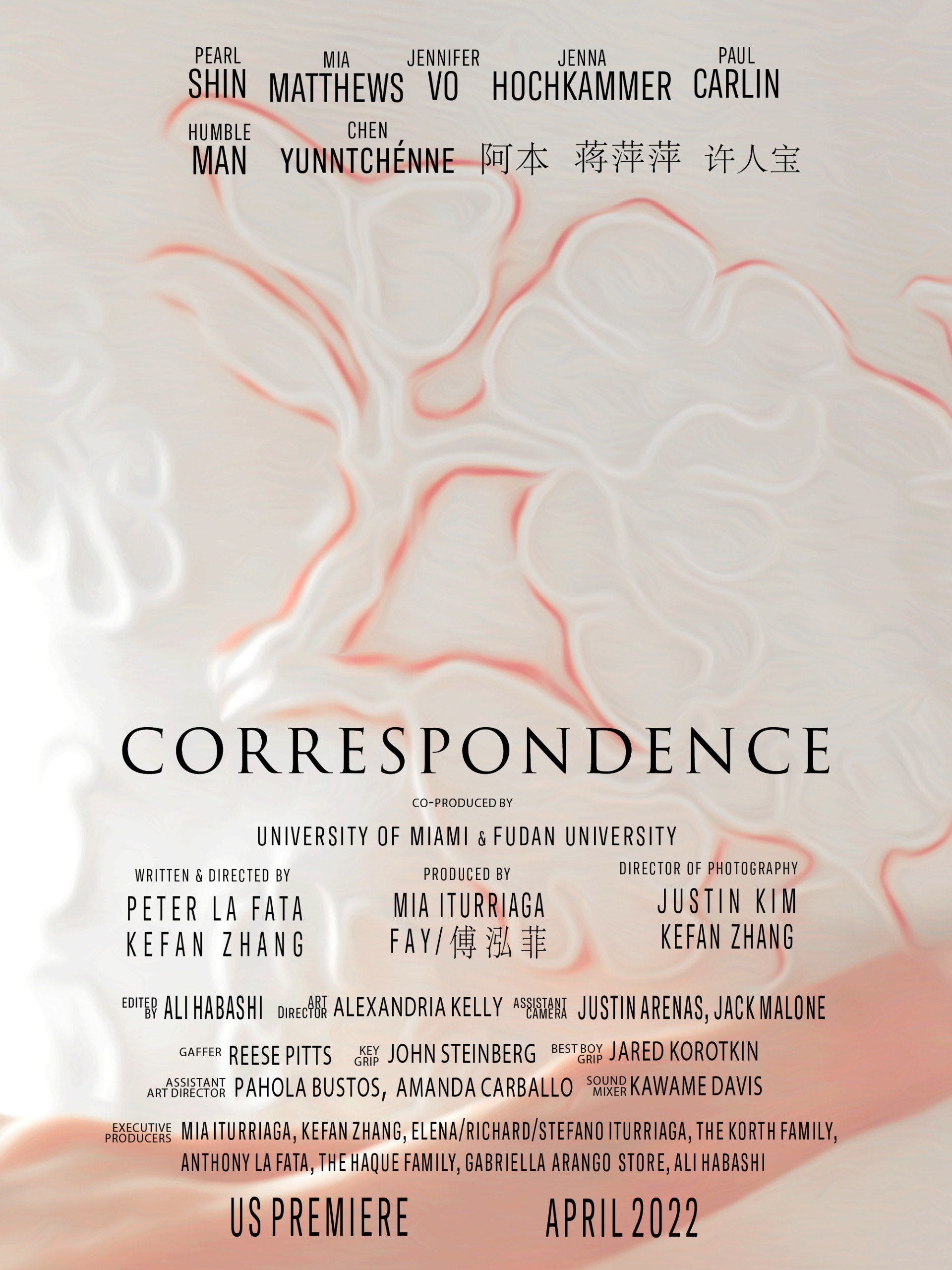
Correspondence
Abbie Bernet2025-05-01T09:58:17-04:00Correspondence Faculty Lead: Ali Habashi Watch the Trailer Project Description “Correspondence” is a feature-length narrative film co-produced [...]


Explainable Artificial Intelligence (XAI): Two Experiments from Imposed Users’ Perspective
Abbie Bernet2025-05-01T09:56:39-04:00Explainable Artificial Intelligence (XAI): Two Experiments from Imposed Users’ Perspective Faculty Lead: Ching-Hua Chuan Read the Article [...]